01
Housing & Leases
Long lets usually run 12 months with a one-month deposit. All residential leases must be registered with the Housing Authority.
Read the housing brief
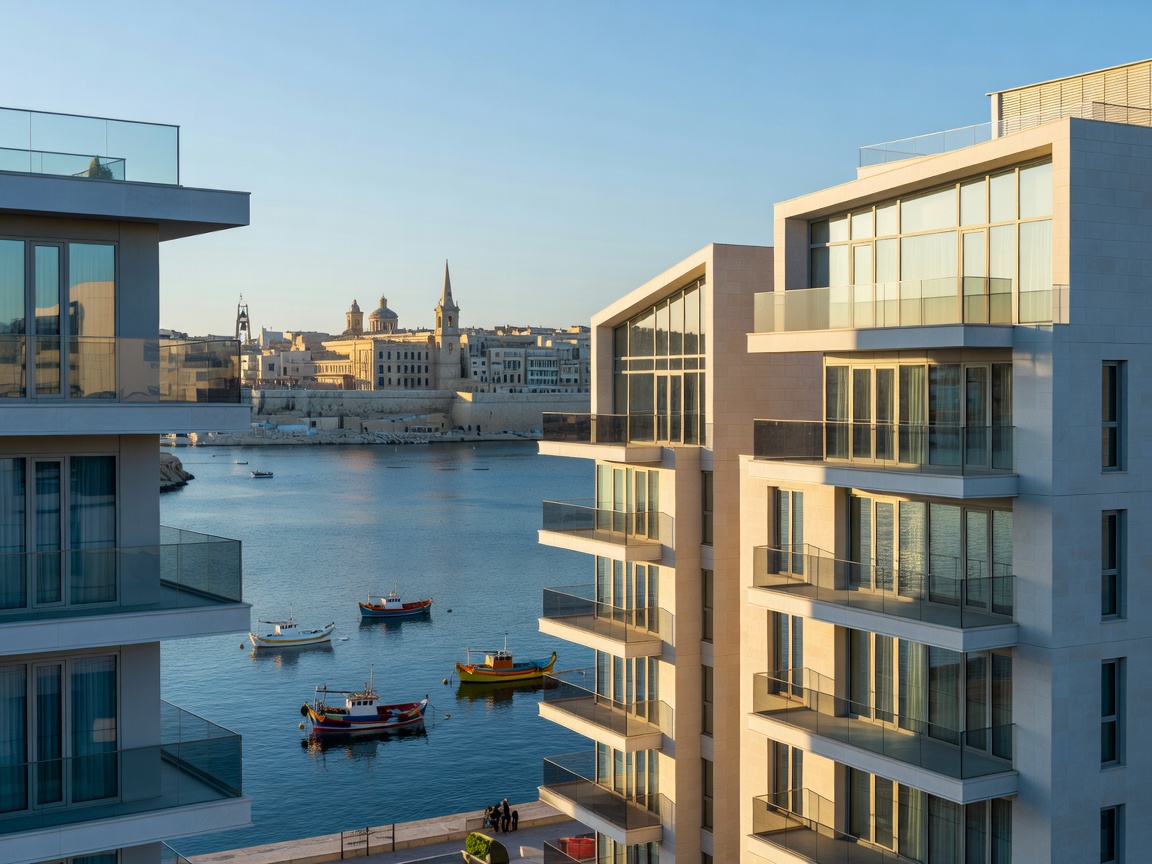

The Ultimate Moving to Malta Relocation & Settlement Guide
Compare eight of Malta's most sought-after places to live, decode residency pathways by nationality, and plan every step — from your first lease to your first festa.
Malta by the Numbers
A compact EU nation of three inhabited islands where English is official, the sun shines most of the year and relocation logistics are refreshingly manageable.
Featured Neighbourhoods
Ranked by our Relocation Index — a balanced blend of expat community, transport, family fit, lifestyle, value and calm. Use the search above to filter instantly.
Neighbourhood Leaderboard
Switch categories to watch the standings reshuffle. Family-focused movers and nightlife lovers rarely share a podium.
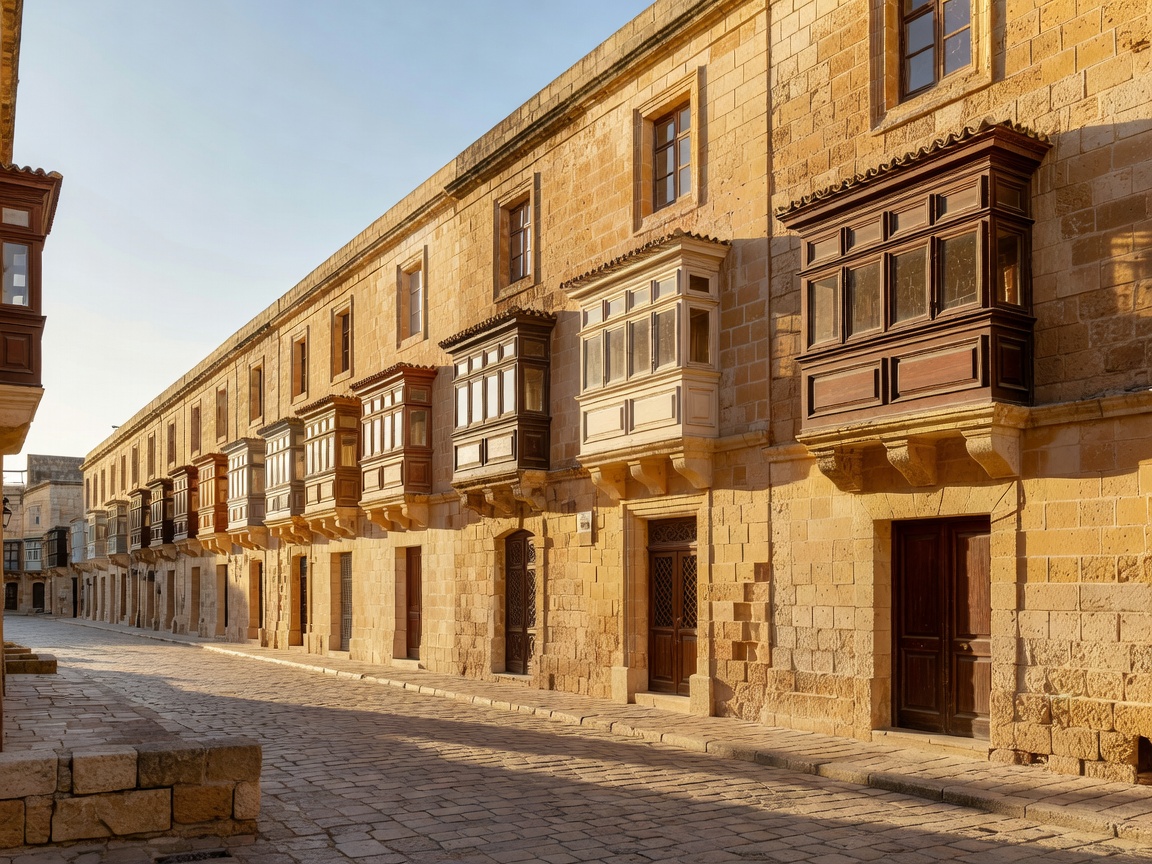
“Malta rewards newcomers who plan the paperwork early and the lifestyle slowly.”
Editor's Briefing
The single biggest factor in a Malta move is your passport. EU, EEA and Swiss citizens enjoy freedom of movement and simply register their residence with Identità. Third-country nationals typically need a specific permit — a Single Permit for employment, a Nomad Residence Permit for remote work, or an investment or retirement programme.
Your employment status then determines tax treatment, social security contributions and healthcare entitlement. We flag these differences throughout the guide.
Settling-In Essentials
Six practical arenas every newcomer must master in their first ninety days.
Long lets usually run 12 months with a one-month deposit. All residential leases must be registered with the Housing Authority.
Read the housing briefProgressive income tax rates up to 35%. Residents who are not domiciled are generally taxed on Malta income and foreign income remitted.
Read the tax briefPublic care through Mater Dei and regional health centres for entitled residents; private insurance is widely used.
Read the healthcare briefState, church and independent schools — plus international IB and American-curriculum options in Pembroke and beyond.
Read the schools briefFree buses for residents, harbour ferries, Gozo ferries, ride-hailing and left-hand driving.
Read the transport briefExpect thorough KYC checks at banks; set up ARMS billing at the residential tariff and choose fibre from GO, Melita or Epic.
Read the banking briefRelocation Timeline
A typical sequence for a planned move. Timelines vary by nationality, permit type and personal circumstances.
3–6 months before
Confirm your residency route (EU registration, Single Permit, Nomad permit or programme) and gather documents: passport, qualifications, proof of income.
2–3 months before
Finalise a job offer or remote-income evidence and arrange comprehensive health insurance where required.
Arrival · Weeks 1–2
Book 2–4 weeks of temporary accommodation and view properties in person before signing a registered long lease.
Weeks 2–6
Book your Identità appointment, obtain your residence document, and apply for a tax number and social security number where applicable.
Months 1–3
Open a bank account, transfer ARMS utilities to your name, get a personalised Tallinja card, register with a GP and enrol children in school.
Compare Before You Commit
Filter by budget, family needs, coastline or calm — then dive into deep specs for each location.